In short
New doors are ordered to the exact opening, then installed with matched springs, track and seals. In Closter, you see the options and approve the price first; the old door is hauled away.
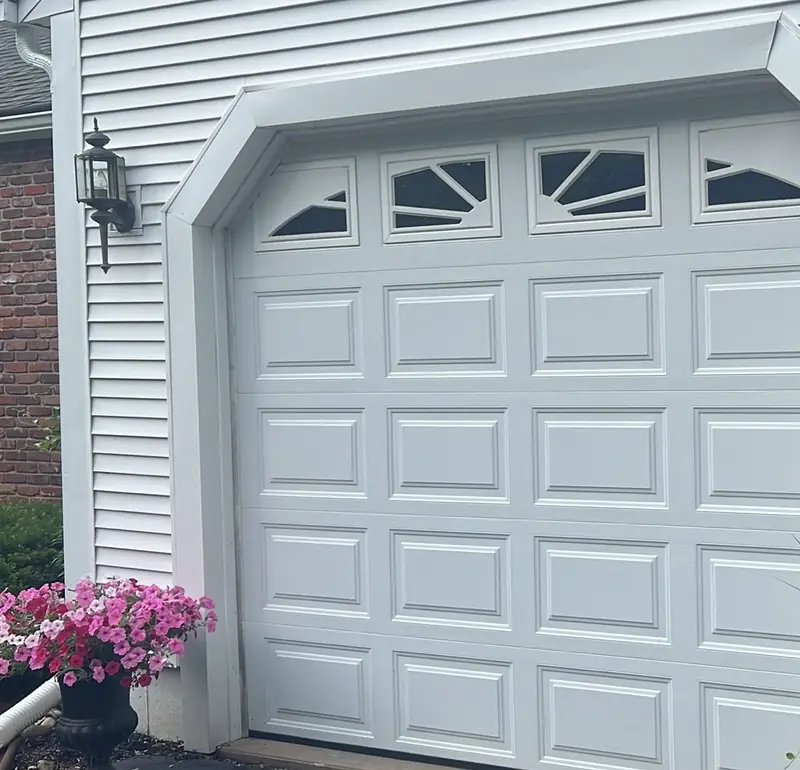
Doors that suit Closter houses
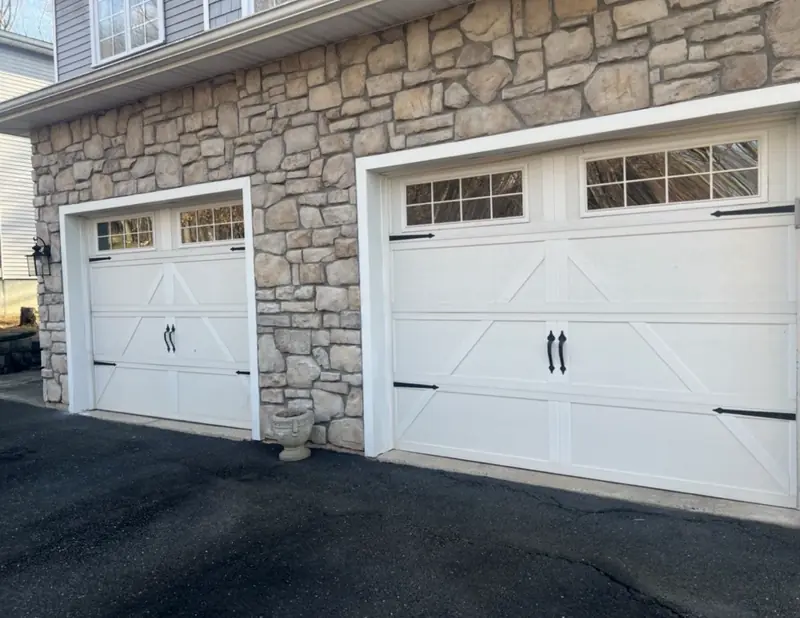
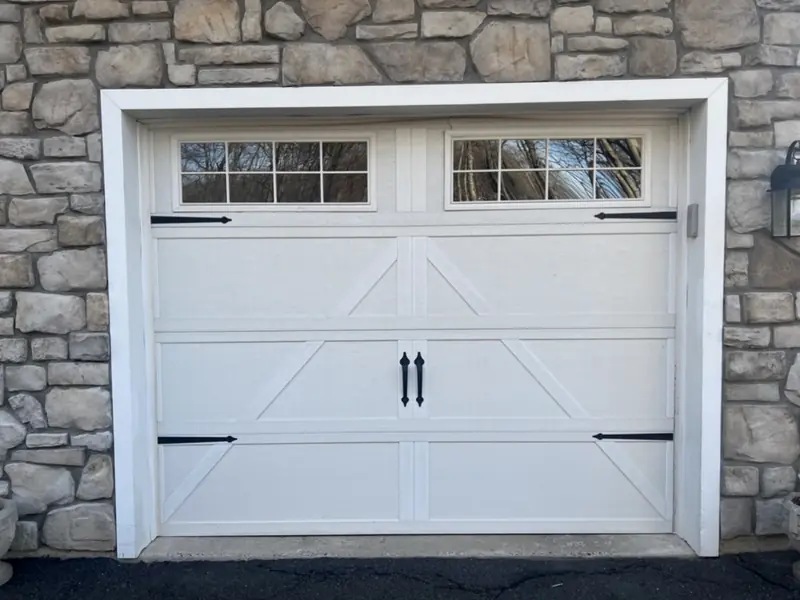
Closter's Dutch Colonials and Queen Annes suit painted carriage-house doors; newer homes toward Alpine take insulated carriage doors across several bays.
Older openings are made-to-measure jobs. Composite resists the damp well.
Materials
- Insulated steel: durable, low maintenance, available with wood-grain finishes.
- Wood: the most authentic look; heavier, and needs refinishing every few years.
- Composite and fiberglass: the look of wood with less upkeep and better moisture resistance.
Insulation and seals
The door is the largest opening in the house. An insulated door, with new weatherstripping along the sides and a fresh bottom seal, cuts drafts, keeps snowmelt and leaves out, and makes the opener run more quietly. Ask the technician to compare a couple of insulation levels when quoting.
From measuring to installation
A new door starts with an on-site visit: measurements, a look at the framing and headroom, and a conversation about style and insulation. You see the quote before anything is ordered. Standard doors can arrive quickly; custom and wood doors take a few weeks. On installation day, plan on roughly half a day per door.
Around Closter
- Closter Dock Road: Farm properties and older houses along the main east-west road.
- Nature center area: Streets near the wetlands off Ruckman Road, where damp is a factor.
See the full Closter service area.
Questions we hear in Closter
Do you cover homes near the Alpine line?
Yes, all of Closter.
Our Dutch Colonial has an old detached garage. Can it be modernized?
Usually. The opening may be non-standard, so the door is made to fit, and power may need to be run for an opener.
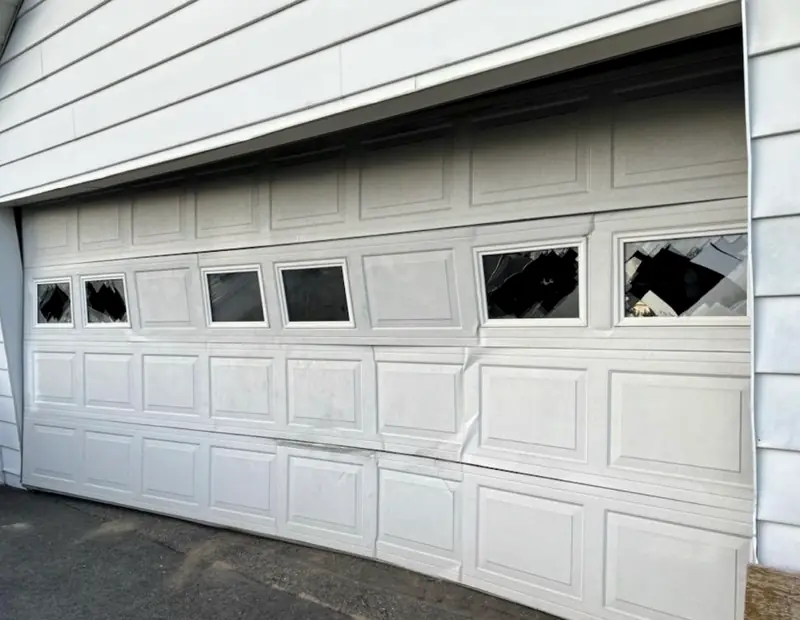
Before and after a door replacement
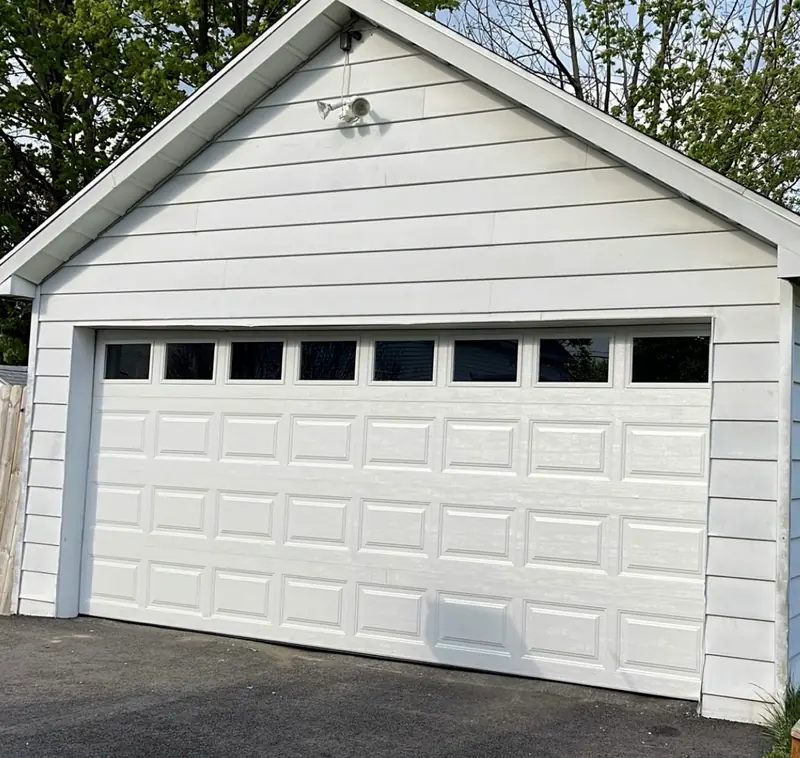
Door styles we work on